
Look Design
My focus is on making specialized pre and post-production workflows, which were once exclusive to large post-production facilities with dedicated color scientists, more accessible in the decentralized and global nature of modern filmmaking. Leveraging advancements in camera technology, color science and international remote collaborations, my workflows carry a unified cinematic vision from pre-production through to post.
The Look Design process can be carried out in either pre-production or post-production:
- Pre-production look development is carried out in tandem with camera tests and production design, enabling the development of on-set monitoring LUTs for the camera, as well as DIT workflows. The Show LUT can also be further adjusted as the shoot progresses.
- Post-production look design is carried out using a selection of hero shots from the shoot.
- In both cases, image references are used, along with extensive research on any given type of image processing the production may want to emulate.
- The Show LUT is subsequently used in the final grading process as a base to refine specific colors and densities and serves as the foundation for enhancing or developing texture characteristics that bring the final images to life.
Guided by continuous research and a pursuit of the latest technological approaches, I work to ensure that the signal, whether from a camera sensor or an analog negative is processed thoughtfully, aligning with the desired outcome.
Tools for DPs
Shaping the tone curve plays a pivotal role in conveying emotion, as audiences are instinctively drawn to the interplay within the shadows. With modern cameras capable of capturing up to 17 stops of dynamic range, custom designed tone curve characteristics for highlights and shadows including the levels of color saturation provides cinematographers with an unprecedented level of control over their image creation process.
Stess Testing LUTs
Custom designed On-set monitoring LUTs offers major advantages, enabling early detection of potential issues with any lighting rig. By identifying parts of the color spectrum that might look displeasing or at the point of “breaking”, this approach equips the cinematographer with valuable insights for making informed adjustments. Ultimately, this process helps create visually compelling images, while proactively resolving technical challenges before they arise.
If you’re interested in trying this workflow for your next project, please feel free to get in touch. I can offer a range of design configurations, from simple tone curve sculpting to creating fully customized LUTS with look variations tailored to support your narrative concept. Additionally, I can also provide exposure compensation versions to suit different shooting conditions.
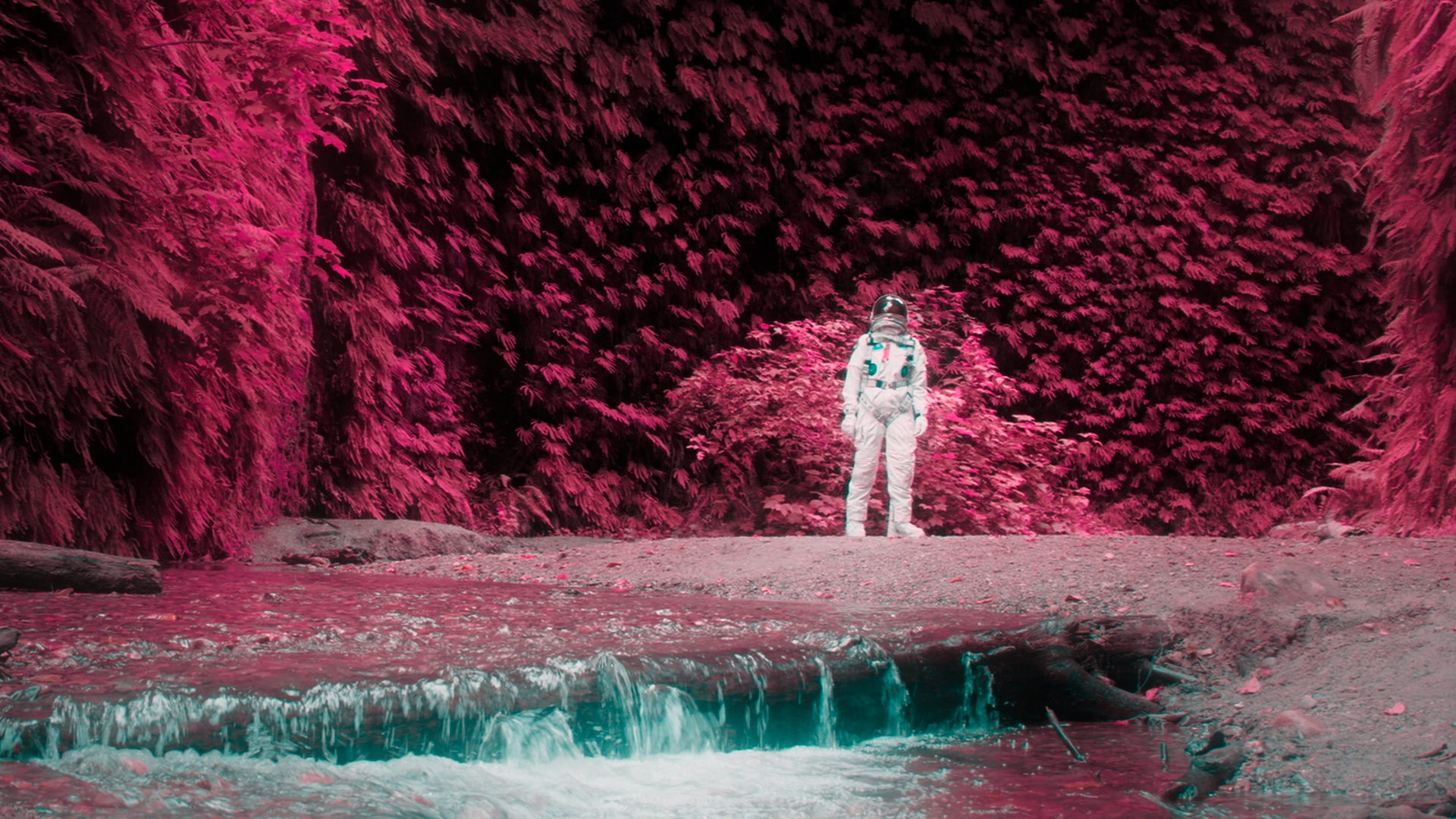
Aerochrome Emulation Project
This project, winner of the "2023 Look Academy" was presented at the Colorist Meetup held at Arri Inc. in Burbank California, September 2023. It was the original inspiration for my workflow.
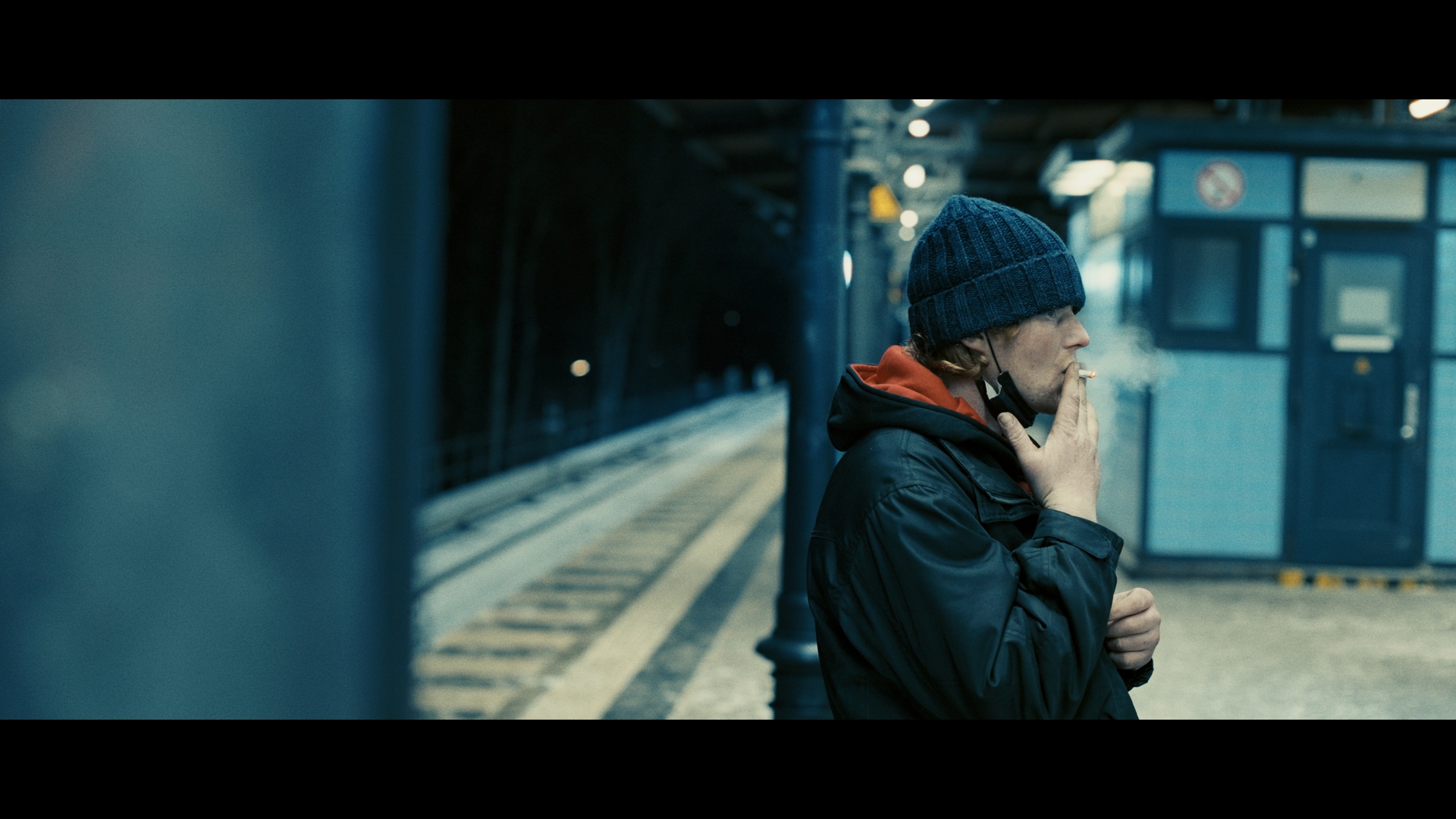
Hausnummer Null Look Design
The look design process and Show LUT that was used as a base for the film.